Tinnitus in Adults: Prevalence, Severity & Management Challenges
Peer-Reviewed Research
Tinnitus Affects 14% of Adults, Yet Effective Management Remains a Clinical Challenge
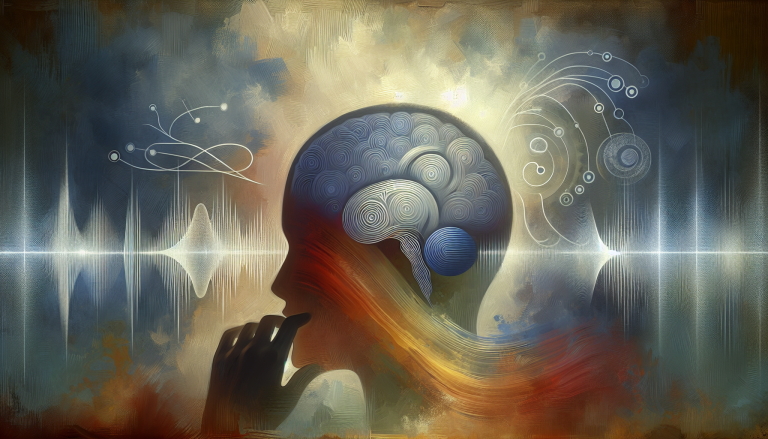
Approximately 14% of adults perceive tinnitus, a sound that originates internally rather than from an outside source. For about 2% of the population, the symptoms are severe. This condition is a primary focus of hearing health science because it is far more than an ear issue. The 2026 state-of-the-art review in Nature Reviews Disease Primers, authored by Sven Vanneste, Dirk De Ridder, and a global consortium of experts, frames tinnitus as a complex neurological disorder with diverse manifestations. Effective management requires understanding its mechanisms and the practical hurdles in consumer acceptance of sound-based therapies.
From Peripheral Damage to Centralized Brain Networks
The classic medical view located tinnitus in the ear. Current evidence from imaging and neurophysiological studies shows it is a brain-generated phenomenon, often initiated by a peripheral trigger.
Cochlear Injury Often Starts the Process
Hearing loss from noise exposure, aging, or other causes is the most common associated factor. Damage to hair cells in the cochlea reduces the auditory signal sent to the brain. This “deafferentation” is the typical spark, but not the fire. While treating the cochlea alone, such as with hearing aids, can help, it often does not eliminate tinnitus, as the problem becomes embedded in neural circuits.
Maladaptive Plasticity and Increased Central Gain
In response to the weaker signal from the ear, the brain’s auditory system can turn up its internal volume control—a process called increased central gain. Neurons become hyperactive and hypersensitive, attempting to detect sounds that are no longer there. This hyperactivity, part of maladaptive neuroplasticity, generates the neural signature of the tinnitus sound.
The Role of Thalamocortical Dysrhythmia and Non-Auditory Networks
Vanneste and De Ridder’s work highlights that chronic tinnitus involves more than just the auditory cortex. A key mechanism is thalamocortical dysrhythmia, where abnormal, slow brain rhythms from the thalamus propagate to the cortex, creating a perceived sound. Furthermore, the brain’s limbic system (involved in emotion) and salience network (which decides what is important) become involved. This explains why stress and negative emotions can amplify tinnitus, and why tinnitus itself causes distress. Neuroinflammation is also under investigation as a potential contributor to this chronic state.
Clinical Diagnosis: Ruling Out Serious Causes and Identifying Modulators
The first clinical step is distinguishing between objective tinnitus, which a clinician can sometimes hear (e.g., pulsatile tinnitus from blood flow), and the far more common subjective tinnitus. “Red flags like pulse-synchronous tinnitus require immediate vascular imaging,” the authors stress. A standard diagnostic work-up includes a full audiological evaluation to quantify hearing loss and identify specific deficits like speech-in-noise difficulties, which commonly co-occur. Crucially, clinicians must screen for somatic modulators—factors like jaw clenching or neck muscle tension that can change the tinnitus pitch or loudness, pointing to somatosensory-auditory coupling.
Comorbidities are the rule, not the exception. Tinnitus frequently exists alongside hyperacusis (sound sensitivity), migraine, anxiety, depression, and insomnia. Each condition influences the other, requiring a holistic assessment for effective care. For instance, addressing sleep or anxiety can sometimes reduce tinnitus burden more directly than sound therapy alone.
Multimodal Management: Evidence Points to Combined Approaches
No single treatment eradicates tinnitus for everyone. The 2026 review concludes that multimodal management, tailored to the individual’s profile, yields the best outcomes for reducing the condition’s impact.
First-Line Interventions: Counseling and Cognitive Behavioral Therapy
Tinnitus-focused counseling and Cognitive Behavioral Therapy for tinnitus (CBT-T) have the strongest evidence base for reducing distress and improving quality of life. These approaches do not aim to silence the sound but to change the patient’s emotional and cognitive reaction to it, decreasing its salience and the associated suffering.
The Essential Role of Hearing Rehabilitation
For those with hearing loss, hearing aids are a fundamental adjunct. By amplifying external sounds, they provide the brain with more auditory input, which can reduce the neural gain associated with tinnitus and improve communication. Some patients with normal hearing thresholds still have “hidden hearing loss” or cochlear synaptopathy, which may contribute to their tinnitus and speech-in-noise problems.
Targeting Somatic and Sensory Contributors
When tinnitus is modulated by jaw movement or neck pressure, targeted physical therapy or dental interventions for temporomandibular disorders (TMD) can be effective. This approach directly addresses the somatosensory-auditory link. Research on physical interventions, such as TMJ mobilization, shows promise for related disorders and may benefit certain tinnitus patients.
Emerging Sound-Based and Neuromodulation Therapies
Sound therapy uses environmental sound, music, or customized signals to make tinnitus less noticeable, often through partial masking or desensitization. The acceptance and success of these consumer sound devices, however, are not guaranteed. They face the critical challenge of integrating seamlessly into a patient’s life while providing a perceived clinical benefit.
Neuromodulation techniques, which aim to directly alter the maladaptive brain activity underlying tinnitus, are an active research area. Methods include transcranial magnetic stimulation (TMS), transcranial direct current stimulation (tDCS), and acoustic coordinated reset stimulation. Their efficacy varies, and they are typically considered when other strategies are insufficient. A meta-analysis of neuromodulation for tinnitus reveals moderate effects, highlighting the need for better patient stratification and protocol optimization.
The Consumer Sound Device Acceptance Gap
The market offers a proliferation of sound-generating devices, from simple bedside sound machines to sophisticated smartphone apps and wearable maskers. Yet, long-term user adherence is a major hurdle. Acceptance is influenced by several evidence-based factors that go beyond simple sound generation.
Personalization Determines Perceived Utility
Generic white noise is often ineffective. Users are more likely to adhere to devices that allow for personalization of the sound type (e.g., nature sounds, modulated music) and parameters to best match or mask their unique tinnitus pitch. A “one-size-fits-all” approach fails because tinnitus phenomenology is highly individual.
Convenience and Integration into Daily Life
Bulky, cumbersome devices are quickly abandoned. Successful integration depends on minimal disruption. Wearable hearing aids with integrated sound generators, or discreet earbuds connected to a smartphone app, have higher adoption rates. The device must fit into routines for work, relaxation, and sleep without becoming a source of inconvenience or stigma.
The Need for Education and Managed Expectations
Devices sold as a “cure” set users up for failure and rejection. When sound therapy is framed realistically—as a management tool to reduce awareness and distress, not eliminate the sound—acceptance improves. Combining device use with educational counseling, as seen in tinnitus management programs, significantly increases adherence and outcomes. This educative component addresses the emotional and cognitive aspects that sound alone cannot.
Addressing Comorbid Hyperacusis and Misophonia
Many with tinnitus also experience hyperacusis (painful sensitivity to sound) or misophonia (a strong negative emotional reaction to specific sounds). For these users, sound devices must offer very careful control over volume and sound spectrum to avoid triggering discomfort. A device that aggravates a comorbid sound tolerance disorder will be rejected. Understanding these overlapping conditions, such as the neural mechanisms in misophonia, is essential for designing acceptable interventions.
Key Takeaways
- Tinnitus is a brain network disorder. It involves maladaptive plasticity, thalamocortical dysrhythmia, and emotional networks, often triggered by peripheral hearing loss.
- Accurate diagnosis requires screening for red flags and somatic modulators. Conditions like jaw disorders can influence tinnitus and are treatable.
- Multimodal management is the standard. First-line treatments include counseling and CBT, with hearing aids and sound therapy as key adjuncts.
- Consumer sound device success depends on personalization, convenience, and education. Devices must fit seamlessly into life and be part of a broader therapeutic strategy.
- Comorbidities like anxiety, hyperacusis, and insomnia are common and must be addressed. Treating these conditions can directly reduce tinnitus burden.
- Neuromodulation remains an emerging option. Techniques like TMS show promise but require further refinement and appropriate patient selection.
-
💊 Popular supplements
Available on iHerb (ships to 180+ countries):
Magnesium Glycinate ↗
NAC ↗
Vitamin D3 ↗
Omega-3 ↗Affiliate disclosure: we may earn a small commission at no extra cost to you.
Medical Disclaimer
This article is for informational purposes only and does not constitute medical advice. The research summaries presented here are based on published studies and should not be used as a substitute for professional medical consultation. Always consult a qualified healthcare provider before making any changes to your health regimen.
⚡ Research Insider WeeklyPeer-reviewed health research, simplified. Early access findings, clinical trial alerts & regulatory news — delivered weekly.
No spam. Unsubscribe anytime. Powered by Beehiiv.
Related Research
From Our Research Network
Zone 2 Training
Exercise & metabolic fitnessSleep Science
Sleep & circadian healthPet Health
Veterinary scienceHealthspan Click
Longevity scienceBreathing Science
Respiratory healthMenopause Science
Hormonal health researchParent Science
Child development researchGut Health Science
Microbiome & digestive healthPart of the Evidence-Based Research Network