Sound Machines for Tinnitus Relief 2024 Review
Peer-Reviewed Research
Sound Machines for Tinnitus Relief: An Evidence-Based Review
A 2024 study found that 98% of patients using specific acoustic therapies reported improved tinnitus management. Sound machines, or sound generators, are a central tool in this approach. Their role is not to cure tinnitus, but to change how the brain perceives and reacts to it.
What is a Sound Machine and How Does It Help?
A sound machine for tinnitus is a device that produces continuous, neutral background sound. It is distinct from a simple white noise machine for sleep. For tinnitus, the purpose is therapeutic: to reduce the contrast between the internal tinnitus signal and the external sound environment. This process, called masking, can provide immediate relief. More importantly, long-term use aims to promote habituation, a neuroplastic change where the brain learns to ignore the tinnitus signal.
For individuals with comorbid conditions like hyperacusis (oversensitivity to sound volume) or misophonia (oversensitivity to specific sound *patterns*), sound machines also serve to desensitize the auditory system by providing a safe, controlled sound backdrop.
The Science of Sound: From Masking to Neuroplasticity
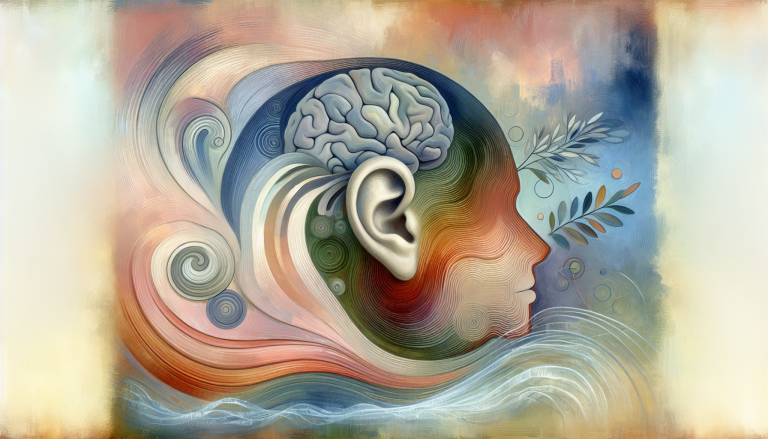
The effectiveness of sound therapy rests on auditory neuroscience. The brain’s auditory cortex and limbic system (the emotional processor) can become over-attuned to the tinnitus frequency. By introducing a consistent, broadband sound, the sound machine reduces the “signal-to-noise ratio” of the tinnitus. This makes the tinnitus less salient, less noticeable.
Over time, this can decrease the hyperactivity in the auditory neural pathways. The goal is to shift tinnitus from a foreground, distressing signal to a background noise the brain no longer prioritizes. This is a practical application of neuroplasticity, where the brain’s connections and responses adapt based on sustained sensory input.
Evaluating Sound Machines: Key Features from Research
Not all sound machines are equally suited for tinnitus management. Clinical studies and user reports highlight several critical features.
Sound Quality and Spectrum: Beyond Simple White Noise
Pure white noise, which contains all frequencies at equal power, can be harsh and sometimes aggravating for sensitive ears. Many tinnitus specialists now recommend more natural, textured sounds. Pink noise (which emphasizes lower frequencies) or brown noise (even deeper, like a waterfall) are often preferred. Nature sounds—such as gentle rain, ocean waves, or wind—can also be effective because they are variable yet predictable, which engages the auditory system without causing stress.
A study on acoustic materials from Vellore Institute of Technology showed how the physical properties of sound-damping composites affect frequency absorption. This material science indirectly informs better sound machine design; ideal devices should produce sounds that are acoustically smooth, without sharp or artificial digital artifacts that could irritate the listener.
Customization and Personalization: The Need for Control
Tinnitus pitch and sensitivity vary dramatically between individuals. A machine offering only a few preset options may fail for many users. The most effective devices allow for:
- Frequency Tuning: Ability to adjust the dominant frequency or bandwidth of the sound to best match or mask the individual’s tinnitus tone.
- Volume Fine-Tuning: Precise volume control is essential, especially for hyperacusis. The sound should be at or just below the tinnitus level, not overwhelming it.
- Sound Mixing: Options to blend different sound types (e.g., a low-frequency brown noise with a gentle water trickle) can create a more personalized and effective masking environment.
Portability and Usability: Integration into Daily Life
Habituation requires consistent exposure. A machine that is only used at bedtime will have limited effect on daytime tinnitus awareness. Portable devices, including small wearable sound generators or smartphone apps paired with high-quality speakers, enable therapy throughout the day—during work, commuting, or relaxation. This constant, low-level sound enrichment helps recalibrate the auditory system more effectively than intermittent use.
What Clinical Evidence Says About Sound Therapy
Sound therapy is rarely a standalone cure. Its highest success rates occur when integrated into a broader therapeutic framework, such as Tinnitus Retraining Therapy (TRT) or Cognitive Behavioral Therapy (CBT).
A 2026 machine learning study from the China-Japan Friendship Hospital, while focused on asthma breath sounds, demonstrated a crucial principle: personalized acoustic analysis leads to better outcomes. The support vector machine algorithm achieved 98.32% accuracy in classifying subtypes based on sound characteristics. This underscores a core tenet for tinnitus—effective intervention starts with precise, individualized assessment. A “one-size-fits-all” sound approach is less likely to succeed.
Research also notes limitations. Sound machines do not address the root cause of tinnitus for many, which may be hearing loss, neurological change, or medication side effects. They are a management tool. Furthermore, improper use—such as setting volume too high—can potentially worsen sound sensitivity or delay habituation.
Actionable Guide: Selecting and Using a Sound Machine
Based on the accumulated evidence, here is a step-by-step approach.
Step 1: Consult an Audiologist or Tinnitus Specialist
Before purchasing any device, obtain a professional evaluation. This should include a hearing test, tinnitus pitch matching, and assessment for hyperacusis or misophonia. This data informs what sound frequencies and volume levels will be most beneficial for you.
Step 2: Prioritize Flexible, High-Quality Sound Output
When reviewing products, look for machines that offer:
- A wide range of sound types (white, pink, brown, nature sounds).
- Precision volume control, ideally with a digital display or fine-grain slider.
- The ability to save or program custom sound mixes.
- High-fidelity speakers or outputs to avoid distorted, tinny sound.
Step 3: Integrate Sound into Your Environment Strategically
Begin by using the machine in quiet settings where your tinnitus is most bothersome, often at night. Set the volume so the external sound is just barely noticeable alongside your tinnitus. The goal is to blend, not drown. Gradually, introduce the sound during daytime quiet periods. Consistency is more important than volume.
For sleep, consider pairing the sound machine with good sleep hygiene practices. The sound should support sleep onset, not disrupt it.
Step 4: Monitor and Adjust Over Time
Tinnitus can change. Re-evaluate your settings every few months. If habituation progresses, you may find you need less volume or a different sound type. Keep a simple log of your tinnitus annoyance levels to track progress.
Key Takeaways
- Sound machines are a therapeutic tool for tinnitus management, aiming to promote masking and long-term neural habituation.
- Personalization is critical. Look for devices that allow tuning of frequency, volume, and sound mix to match your unique tinnitus profile.
- Evidence shows sound therapy is most effective when part of a combined treatment plan, including counseling or behavioral therapy.
- High-quality, naturalistic sounds (pink noise, brown noise, gentle nature sounds) are often more tolerable and effective than harsh white noise.
- Use should be consistent and integrated into daily life, not just at bedtime, to encourage neuroplastic change.
- Begin with a low volume, setting the external sound just at or below your tinnitus level, to avoid aggravating sound sensitivity.
- Professional guidance from an audiologist or tinnitus specialist is recommended before starting any sound therapy protocol.
This article is for informational purposes only. Consult a qualified professional for personalised advice.
💊 Popular supplements
Available on iHerb (ships to 180+ countries):
Magnesium Glycinate ↗
NAC ↗
Vitamin D3 ↗
Omega-3 ↗
Affiliate disclosure: we may earn a small commission at no extra cost to you.
Sources:
https://pubmed.ncbi.nlm.nih.gov/42121121/
https://pubmed.ncbi.nlm.nih.gov/42062384/
https://pubmed.ncbi.nlm.nih.gov/41982966/
Medical Disclaimer
This article is for informational purposes only and does not constitute medical advice. The research summaries presented here are based on published studies and should not be used as a substitute for professional medical consultation. Always consult a qualified healthcare provider before making any changes to your health regimen.
Peer-reviewed health research, simplified. Early access findings, clinical trial alerts & regulatory news — delivered weekly.
No spam. Unsubscribe anytime. Powered by Beehiiv.
Related Research
From Our Research Network
Exercise & metabolic fitnessSleep Science
Sleep & circadian healthPet Health
Veterinary scienceHealthspan Click
Longevity scienceBreathing Science
Respiratory healthMenopause Science
Hormonal health researchParent Science
Child development researchGut Health Science
Microbiome & digestive health
Part of the Evidence-Based Research Network