Auditory Health: Hearing Impairment Advances Explained
Peer-Reviewed Research
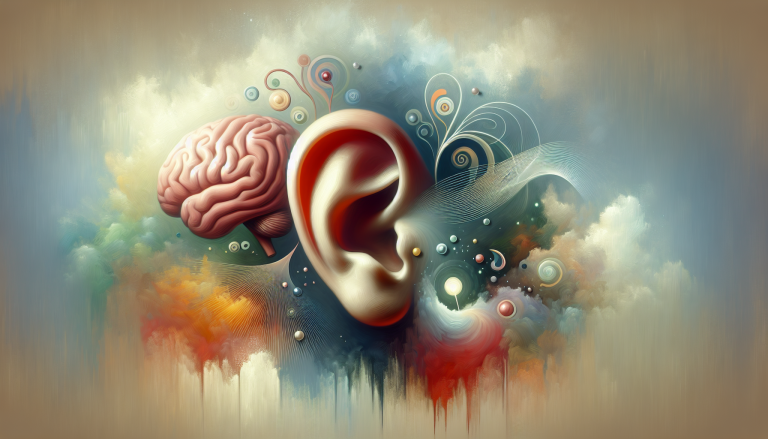
A 2026 editorial in the journal *Brain Sciences* argues that hearing health must be understood as a brain-wide process, not merely a problem of ear function. The piece, authored by Professor Agnieszka J. Szczepek, synthesizes recent advances to advocate for a holistic view of hearing impairment, emphasizing its broad sensory and neurological consequences.
Key Takeaways
- Hearing impairment is a complex brain disorder that extends beyond a simple loss of volume or clarity.
- Conditions like tinnitus and hyperacusis are not ear problems but reflect maladaptive changes in central auditory and emotional brain networks.
- A successful treatment model must integrate peripheral (ear) and central (brain) approaches, moving from a “cochlea to cortex” perspective.
- This integrated framework is essential for developing better management strategies for chronic auditory conditions.
Why Hearing Loss Is More Than a Volume Knob Problem
For decades, the clinical focus for hearing impairment centered on the cochlea, the spiral-shaped organ in the inner ear. Treatment often stopped at amplifying sound with hearing aids. Professor Szczepek’s editorial challenges this narrow view. She states that hearing impairment is “affecting far more than just auditory thresholds.” It involves the entire auditory pathway and connected brain regions responsible for attention, emotion, and memory. When sound input from the ears is degraded or altered, the brain compensates and changes—a process called neuroplasticity. These changes can lead to the persistent perception of sound when there is none (tinnitus) or an intolerance to everyday noise levels (hyperacusis).
The Brain’s Role in Tinnitus and Sound Sensitivity
The editorial positions common conditions like tinnitus and hyperacusis as primary disorders of the brain. Tinnitus, for instance, is not a sound the ear produces but a phantom perception generated by neural circuits that have become hyperactive or misfiring due to hearing loss or other injury. Similarly, hyperacusis and its closely related condition, misophonia, involve heightened reactions in brain areas that process sound and attach emotional significance to it, such as the amygdala and frontal cortex. This explains why a person with normal hearing thresholds can experience debilitating distress from specific, often quiet, sounds.
This brain-centric model directly informs emerging treatments. For example, research into predicting TMS success for tinnitus focuses on identifying brain biomarkers that indicate which neural networks are involved. Successful intervention, therefore, may require calming an overactive auditory cortex or retraining the brain’s emotional response to sound, rather than fixing a non-existent problem in the ear.
An Integrated Treatment Model: Cochlea and Cortex Together
Szczepek advocates for an integrated “from cochlea to cortex” model of patient care. This means assessments and treatments should consider both the peripheral and central components of hearing health simultaneously.
Practical implications of this model include:
- Combined Therapies: Using sound therapy (to provide structured input to the auditory system) alongside cognitive behavioral techniques (to address the emotional and attentional brain responses) for conditions like tinnitus and hyperacusis.
- Broader Diagnostics: Evaluating patients for related issues such as temporomandibular disorders (TMD), which share neural pathways with the auditory system and can exacerbate symptoms.
- Personalized Medicine: Moving beyond one-size-fits-all hearing aids. Future devices may include sound processors designed not only to amplify but also to actively counteract the neural patterns of tinnitus or reduce gain in pathways contributing to hyperacusis.
The goal is to shift from a repair model—fixing the broken part—to a rehabilitation model that helps the entire auditory system, including the brain, function better.
What This Means for Future Research and Patient Care
The call for integration sets a clear agenda. Research must continue to map the precise brain networks involved in different types of hearing disorders. Clinical trials need to test therapies that combine auditory, neurological, and psychological approaches. For patients, this evolving understanding validates their often-complex experiences. It provides a scientific basis for why managing a condition like tinnitus might involve sound generators, counseling, and stress management, all at once.
Ultimately, Professor Szczepek’s editorial reframes hearing health as a key component of overall brain health. Protecting your hearing isn’t just about preserving your ability to hear a whisper; it’s about maintaining the proper function of vast neural networks that influence communication, emotional balance, and cognitive load. As this integrated model gains acceptance, it promises more effective, compassionate, and comprehensive care for the millions living with chronic auditory conditions.
Source: Szczepek AJ. From the Cochlea to the Cortex: Toward Integrated Auditory Health-Editorial for the Special Issue “Recent Advances in Hearing Impairment”. Brain Sci. 2026;16(6):640. doi:10.3390/brainsci16060640. PMID: 42352649.
Evidence-based options: zinc picolinate, magnesium glycinate
Medical Disclaimer
This article is for informational purposes only and does not constitute medical advice. The research summaries presented here are based on published studies and should not be used as a substitute for professional medical consultation. Always consult a qualified healthcare provider before making any changes to your health regimen.
Peer-reviewed health research, simplified. Early access findings, clinical trial alerts & regulatory news — delivered weekly.
No spam. Unsubscribe anytime. Powered by Beehiiv.
Related Research
From Our Research Network
Exercise & metabolic fitnessSleep Science
Sleep & circadian healthPet Health
Veterinary scienceHealthspan Click
Longevity scienceBreathing Science
Respiratory healthMenopause Science
Hormonal health researchParent Science
Child development researchGut Health Science
Microbiome & digestive health
Part of the Evidence-Based Research Network